If you have spent any time running ads on Facebook or Instagram, you have likely heard marketers talk about reaching people who already know a brand. This idea forms the foundation of one of Meta’s most powerful audience targeting options: Custom Audiences. Instead of relying only on broad targeting signals like interests, demographics, or behaviors, Custom Audiences allow advertisers to reach people based on existing relationships with their business. These relationships may come from customer data, website activity, app interactions, or engagement across Meta platforms.
1. What a Custom Audience Actually Means
A Custom Audience is an audience segment created from information that a business already has or from actions people have taken with the business. Unlike Core Audiences, which use factors such as location, age, interests, and behaviors, Custom Audiences focus on existing connections between people and a brand. These audiences help advertisers reconnect with previous website visitors, engage people who interacted with their content, reach existing customers, and create audiences for future advertising strategies.
2. The Mechanics Behind Custom Audiences
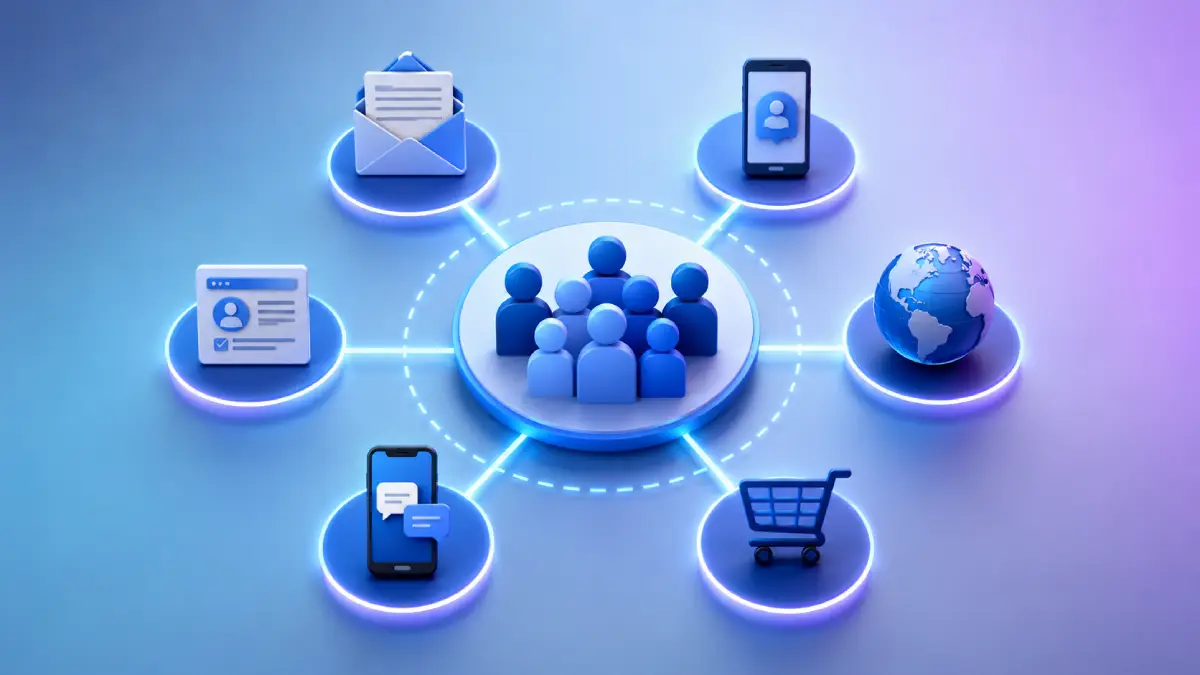
Custom Audiences are created when Meta receives audience signals from different business sources and matches available information with people on its platforms. These signals can come from customer lists, website activity, app events, offline interactions, or engagement with Meta platforms and business assets. Once created, many Custom Audiences can update automatically as new people complete qualifying actions, keeping the audience refreshed over time.
3. Where Custom Audience Data Comes From
Meta organizes Custom Audience sources into two main categories: Your Sources and Meta Sources. Your Sources include information collected from your own business systems and customer data sources., while Meta Sources include interactions people have with your business across Meta platforms.
3.1 Your Sources
This category covers information collected directly from your business operations.
- Website: Website Custom Audiences allow advertisers to build audiences based on actions people take on their website. These audiences are commonly created using data collected through Meta Pixel and/or Conversions API.. Advertisers can create segments such as website visitors, people who viewed specific pages, product viewers, people who added items to their cart, or customers who completed a purchase.
- Customer List: Customer List Custom Audiences allow advertisers to upload customer information collected through their own business operations. This may include details such as email addresses, phone numbers, or customer IDs. Meta matches this information with user accounts to help businesses reach existing customers, leads, or previous buyers.
- App Activity: App Activity Custom Audiences are created from actions people complete inside a mobile application. Businesses can use app events to reach users based on activities such as opening the app, completing specific actions, or making purchases within the app.
- Offline Activity: Offline Activity Custom Audiences use customer actions that happen outside Meta platforms. Businesses can upload or connect offline events such as store purchases, phone orders, or in-person transactions to create audiences based on real-world interactions.
- Catalog: Catalog Custom Audiences are created from interactions people have with products in a business catalog. These audiences are commonly used by ecommerce businesses to reach people who viewed products, interacted with shopping experiences, added items to carts, or purchased products.
3.2 Meta Sources
Meta Sources are created from interactions people have with a business across Facebook, Instagram, and other Meta experiences. These sources allow advertisers to reconnect with people who have already engaged with their content or business presence.
- Video: Video Custom Audiences allow advertisers to target people based on their video engagement. Businesses can create audiences from users who watched videos or reached specific viewing levels.
- Instagram Profile: Instagram Profile Custom Audiences allow businesses to reach people who interacted with their Instagram presence. This can include profile visitors and people who engaged with Instagram content.
- Lead Form: Lead Form Custom Audiences are built from interactions with Meta instant forms. Advertisers can separate people who opened a form, submitted their information, or interacted with the form without completing it.
- Events: Events Custom Audiences allow advertisers to reach people who interacted with Meta Events, such as users who showed interest or responded to an event.
- Instant Experience: Instant Experience Custom Audiences are created from people who opened or interacted with Instant Experience ads.
- Facebook Page: Facebook Page Custom Audiences allow advertisers to reach people who interacted with their Page. Examples include people who visited the Page, engaged with posts, or sent messages.
- Shopping: Shopping Custom Audiences allow advertisers to reach people who interacted with Facebook or Instagram Shopping experiences, including product viewers and buyers.
- On-Facebook Listings: On-Facebook Listings Custom Audiences are created from people who viewed or interacted with listings directly on Facebook.
4. How Long People Stay in an Audience
Every Custom Audience has a retention period, which determines how long people remain included after completing a qualifying action. The available retention period depends on the audience source and the type of interaction. Advertisers should choose retention periods based on customer behavior, buying cycles, and how quickly audience intent changes.
5. Putting Custom Audiences to Work
Custom Audiences can support different parts of a Meta Ads strategy depending on the relationship a person already has with a business. They are commonly used for retargeting people who have already shown interest, improving customer retention, creating exclusions, and building new audience groups.
5.1 Retargeting Interested Users
Custom Audiences help advertisers reconnect with people who have already interacted with their business. Examples include website visitors, product viewers, video viewers, Instagram engagers, Facebook Page visitors and people who engaged with the Page, and people who interacted with lead forms. These audiences usually require messaging that continues the conversation rather than introducing the brand for the first time.
5.2 Customer Retention
Businesses can use Custom Audiences to communicate with existing customers after a purchase. Common uses include promoting repeat purchases, introducing related products, sharing updates, or encouraging customers to return.
5.3 Audience Exclusions
Custom Audiences can also be used to exclude certain groups from campaigns. For example, advertisers may exclude existing customers from acquisition campaigns or remove people who have already completed a desired action. This helps reduce unnecessary ad spend and keeps campaigns focused on the right audience.
5.4 Creating Lookalike Audiences
Custom Audiences can also act as source audiences for Lookalike Audiences. Although Lookalike Audiences are a separate audience type in Meta Ads, advertisers commonly use Custom Audiences as the source audience. Meta analyzes patterns from the selected audience and finds new people who share similar characteristics, allowing businesses to expand beyond their existing customers.
6. Where Custom Audiences Fit in the Customer Journey
Custom Audiences can be understood through different stages of the customer journey. People who have never interacted with a business are generally considered cold audiences, while Custom Audiences are primarily built from previous interactions with your business or customer data you provide.
6.1 Cold Audience
Cold audiences are people who have no previous relationship with a business. Custom Audiences are not typically used to directly target cold audiences because they are built from existing customer data or previous interactions. However, Custom Audiences can support cold audience strategies through Lookalike Audiences and audience exclusions.
6.2 Warm Audience
Warm audiences include people who have shown interest but have not purchased yet. Examples include website visitors, video viewers, social media engagers, and lead form users. These audiences often require educational or trust-building messaging.
6.3 Hot Audience
Hot audiences include people who have shown stronger buying intent. Examples include product page visitors, cart users, checkout visitors, or people who repeatedly interact with a business. These audiences are often closer to conversion.
6.4 Existing Customers
Existing customers already have a relationship with the business. Custom Audiences help advertisers focus on retention strategies such as repeat purchases, loyalty campaigns, and cross-selling opportunities.
7. The Relationship Between Custom Audiences and Advantage+
Meta’s advertising system has increasingly moved toward automated audience delivery through tools such as Advantage+ Audience. In this environment, Custom Audiences can work as valuable audience signals that provide Meta’s system with information about existing customers or high-value users.
When used with Advantage+ Audience, Custom Audiences can work as audience signals that provide Meta’s system with information about valuable users instead of acting only as strict targeting restrictions. Meta can use these signals to understand who may be more likely to take action and expand delivery when the system predicts better results. This makes Custom Audiences an important source of customer information while allowing Meta’s machine learning system to optimize delivery.
8. Practices Worth Following
Using Custom Audiences effectively requires more than simply creating an audience. Advertisers need to organize their data, understand user intent, and match their messaging with the audience’s relationship with the brand.
- Use Accurate First-Party Data: Upload clean and updated customer information while maintaining accurate records to improve audience quality.
- Segment Audiences Based on Intent: Separate high-intent users from general engagers and avoid combining different customer stages into one audience.
- Choose Appropriate Retention Periods: Consider customer buying cycles and use shorter retention windows for actions where recent activity matters.
- Refresh Data Regularly: Update customer lists and audience sources regularly while removing outdated information when necessary.
- Match Creative With Audience Stage: Use different messages for existing customers, warm prospects, and high-intent users based on their relationship with your brand.
- Follow Privacy Requirements: Collect and use customer data according to Meta policies and applicable privacy regulations.
9. Mistakes That Undermine Performance
Many Custom Audience problems happen because advertisers focus only on creating audiences instead of managing them strategically.
- Using Outdated Data: Old customer lists or inactive audience sources can reduce relevance and limit campaign performance.
- Creating Very Small Audiences: Extremely small audiences may provide limited signals for Meta’s delivery system, especially when running conversion-focused campaigns.
- Mixing Different Customer Stages: Combining website visitors, existing customers, and casual engagers into one audience can make it difficult to create relevant messaging.
- Forgetting Audience Exclusions: Not excluding existing customers or converted users can lead to wasted impressions and inefficient spending.
- Ignoring Audience Quality: A larger audience is not always better. The quality and relevance of the audience source often matter more than size alone.
10. Bringing It All Together
Custom Audiences remain one of the most important audience tools in Meta Ads because they allow advertisers to use real customer relationships and existing interactions as targeting signals. Instead of relying only on assumptions about who might be interested, businesses can build audiences from customer data, website activity, app interactions, and engagement across Meta platforms.
When used correctly, Custom Audiences help advertisers improve retargeting, strengthen customer retention, reduce wasted spend through exclusions, and create better foundations for audience expansion strategies such as Lookalike Audiences. In a Meta Ads environment where automation and machine learning play a larger role, high-quality audience signals continue to be valuable inputs for better advertising decisions.