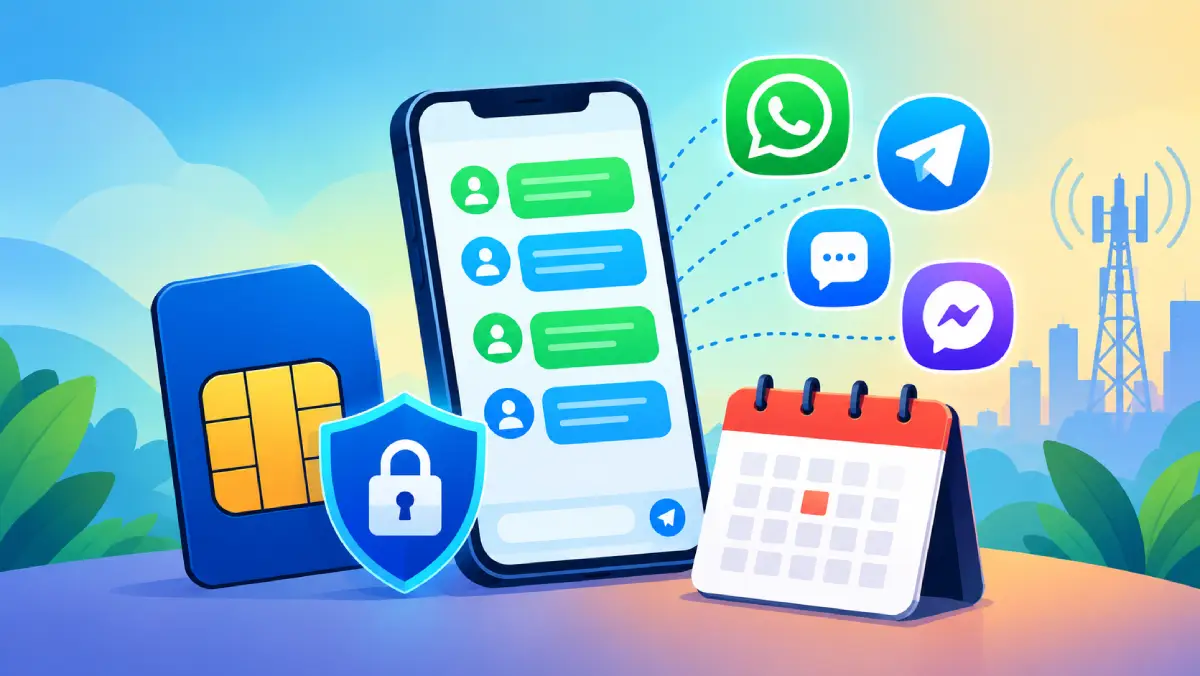
WhatsApp, Telegram and other messaging apps in India could face new access restrictions from January 1, 2027, under the government’s SIM-binding requirements. The Department of Telecommunications (DoT) has given covered platforms until December 31, 2026, to comply with the rules, which aim to curb cyber fraud and the misuse of Indian mobile numbers. The change does not mean these apps will stop working for everyone. Its impact will depend on how the requirements are implemented and whether users keep their registered SIM cards active in their devices.
What the rule says
Under the SIM-binding requirement, covered messaging apps must remain linked to the active SIM card associated with the mobile number used to register the account. Users could lose access on a device if the registered SIM is removed or becomes inactive. The directions initially named WhatsApp, Telegram, Signal, Snapchat, Arattai, ShareChat, Josh and JioChat. However, the compliance status and implementation arrangements may differ between platforms.
The requirement could particularly affect people who use messaging apps on secondary phones or tablets without the registered SIM. Users who keep their registered SIM in one phone but access the same account on another device may also need to adjust how they use the service.
Why the government wants it
The DoT says some messaging services continue working even after users remove the SIM used to register their accounts. According to the department, this creates an opportunity for fraudsters to misuse Indian mobile numbers while operating from outside the country. The government wants to strengthen the connection between messaging accounts and active mobile connections to make it harder to use these accounts for phishing, impersonation, investment scams and so-called digital arrest frauds.
How the deadline moved
The original directions, issued in November 2025, gave platforms 90 days to comply. Technology companies raised concerns about the technical work needed to implement SIM binding across different devices and operating systems. Following industry representations, the government extended the compliance deadline to December 31, 2026, giving platforms additional time to prepare for implementation.
What users may notice
Users who keep their registered SIM active in their main smartphone may experience little change in everyday use. However, people who remove their SIM after registering an account, use a different phone for messaging or rely on Wi-Fi-only devices could face restrictions.
The government has also revised its earlier requirement for automatic web and desktop session logouts every six hours. That fixed interval has been dropped in favour of a risk-based approach, under which sessions may be terminated when fraud is suspected.
Industry groups have raised concerns about the technical and operational impact of SIM binding, particularly for people who use multiple devices. The changes could also create inconvenience for some users who travel frequently or depend on secondary devices.
Rollout status
Messaging platforms have been preparing for the requirements, with reports indicating that SIM-binding testing has begun on WhatsApp. Technical implementation across different platforms and operating systems remains an important part of the rollout.
The rules are expected to take effect from January 1, 2027, following the December 31 compliance deadline. However, this should not be interpreted as an announcement that every messaging app will automatically stop working for users on that date
What you should do
Users should keep their registered mobile number active and watch for instructions from their messaging apps as the deadline approaches. Those who use multiple phones, tablets or web sessions should check whether their usual setup will continue to work under the new requirements.
The government’s aim is to reduce cyber fraud, but the practical impact will depend on how each platform applies the rules. Users should look out for further implementation updates before making changes to their devices or messaging accounts.