Search Engine Optimization (SEO) may seem very complicated and perhaps even difficult because there are too many technical jargon and abbreviations. It is an essential part of digital marketing that one needs to follow when he wants his website seen on top by different search engines. This blog aims to dissect certain critical SEO Terminology into plain English so that one is able to be in command over such terms like keywords, ranks, backlinks, among others.
Search Engine Optimization: SEO (Search Engine Optimization) is the way of making improvements in the website structure for the purpose of having high ranks in the popular search engines such as Google. It’s the main goal of doing this that one increases organic or free traffic through making sure that his site is most visible, relevant and also very easy to use.
Also Read: A Simple Guide to What is SEO and how it works
On Page SEO
On-Page SEO: On-page SEO is an optimization of some parts of a webpage that are meant to enhance its positioning within the SERPs. This involves improving on factors such as content, keyword, title, and meta tags, and also internal linking.
Also Read: A Beginner’s Guide to On-Page SEO: Benefits & On-Page SEO Checklist
Title Tag Optimization: Title Tag Optimization is the method through which one enhances his/her webpage title for better rankings on search engine results pages (SERPs). This is done by making use of key terms that are relevant and also developing an eye-catching title to gain more clicks.
Also Read: Title Tag Optimization in SEO: How to Improve Your Page Titles
Meta Description: The Meta Description is a short summary of a webpage shown right beneath the title in search results. It shows users what the content on the page has got for them which in turn gives an impulse to click through.
Also Read: How to Write a Meta Description That Improves Click-Through Rate
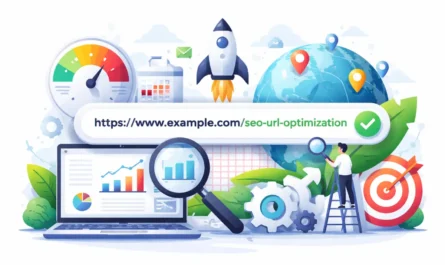
URL Optimization: URL optimization is about coming up with clean simple URLs that are full of keywords for a particular web page. This way it becomes easy for both search engines as well as to the users to know what content a given webpage has.
Also Read: URL Optimization in SEO: Structure, Keywords, and Best Practices for 2026
Header Tags: Header tags are structured on a website using HTML’s H1 through H6 tags. This content organization aids in making sure that search engines as well as visitors can more easily comprehend what the site is about.
Also Read: Header Tags in SEO: Best Practices for Better Rankings
Alt Tags: Alt tags represent short text descriptions for images used in html coding. These aid in helping out on internet search engines and also do contribute to making websites easily accessible to all users.
Also Read: Alt Tag in SEO: Best Practices to Boost Accessibility and Image Rankings
Canonical Tags: Canonical Tags are HTML tags that tell search engines the preferred version of a webpage. They help prevent duplicate content issues and consolidate ranking signals.
Also Read: Canonical Tags in SEO: Everything You Need to Know
301 and 302 Redirects: 301 Redirects permanently move a webpage to a new URL, passing most SEO value. 302 Redirects temporarily move a webpage, usually without passing full SEO value.
Also Read: Difference between a 301 and 302 redirects in SEO
Search Intent: The search intent refers to what motivates a user to make a certain search inquiry. This can provide valuable information to marketers who want to develop relevant content that meets needs of the online users.
Also Read: Search Intent in SEO Explained: Types, Importance, and How to Optimize in 2026
Targeting Multiple Keywords: Targeting multiple keywords is about enhancing your webpage’s optimization towards more than one related keyword at a go. This method has helped many individuals improve their visibility and also draw different kinds of internet traffic using various search requests.
Also Read: The Strategic Importance of Targeting Multiple Keywords in Your Content
Google Ranking Factors: The ranking factors are key considerations used by Google to determine how far up or down your webpage will sit in the list of internet searches displayed to users. The algorithms look at relevance, quality, and also takes into account the experience that a website gives to a user.
Also Read: Understanding the Most Important Google Ranking Factors to Rank Faster
Google Algorithms: Google Algorithm is a system which Google uses to rank websites within search results. The algorithm can analyze a variety of factors so that it can give out to users pages that are relevant and useful.
Also Read: Exploring Major Google Ranking Algorithm Updates for SEO
Search Engines: Online search engines are web platforms meant to assist users finding data online. They scan, store and rank websites so as to give out relevant results to a given search query.
Also Read: Exploring in Depth How Search Engines Work and Rank Websites: A Detailed Look
Technical SEO
Technical SEO: The Technical SEO is all about making the technical parts of a website better so as to improve on its position on the Search Engine ranking. The improvement involves the inclusion of faster loading speed, friendliness with mobile devices, having an index on websites, and its structural organization.
Also Read: The Backbone of Digital Success: Technical SEO Checklist
Mobile Friendliness: Mobile Friendliness refers to the fact that the website is developed with mobile devices in mind so as to be operational there. It offers better user experience and also contributes towards higher positions for websites in the search engine results.
Also Read: The Ultimate Guide to Checking Mobile Friendliness in 2026
Sitemaps: Sitemaps are files containing all crucial pages on a website. Search engines can index web sites more readily with their help when they crawl the web site.
Also Read: Sitemaps in SEO Explained: Complete Guide to Types, Importance, and Best Practices
XML Sitemaps: XML sitemaps represent particular files that detail a website’s most critical pages utilizing XML code. They enhance search engine crawling and indexing of the website so that they can have an easy time with it.
Also Read: Ultimate Guide to XML Sitemaps in SEO
HTML Sitemaps: HTML Sitemaps are web pages that list important links of a website in a user-friendly format. They help visitors easily navigate and find content on the website.
Also Read: HTML Sitemap in SEO: Benefits, Best Practices & Common Mistakes
Robots.txt: The robots. txt file is a document which explains to search engines those particular pages within a website on which crawling are not allowed and which one can be crawled upon. In other words, it controls the access level of the search engine for certain areas of the website.
Also Read: Robots.txt in SEO: Everything You Need to Know in 2026
Google Search Console: Google Search Console is a free tool by Google that offers assistance to website owners who are looking at enhancing the visibility and credibility of their sites in search engine results page (SERP). Through this service, one can see search traffic data, the status of the site on the Google Index and any problem with it.
Also Read: What Is Google Search Console in SEO and Digital Marketing
Also Read: Difference between Google Search Console and Google Analytics