1. Introduction: Why Header Tags Matter
On professional websites, header tags are used in a particular way to provide structure and clarity. They divide content into logical sections so readers can more easily locate key points as well as grasp them! Besides making text more readable (by breaking up walls of words), these headers also give search engines clues about what your page is mainly discussing. When you use headings correctly in WordPress posts or pages not only do they become easier things to navigate but also better at ranking both by humans which means real people when we say users! as well as Google’s algorithms; this combination results in improved overall site speed/health plus greater visibility via organic searches.
2. What Are Header Tags?
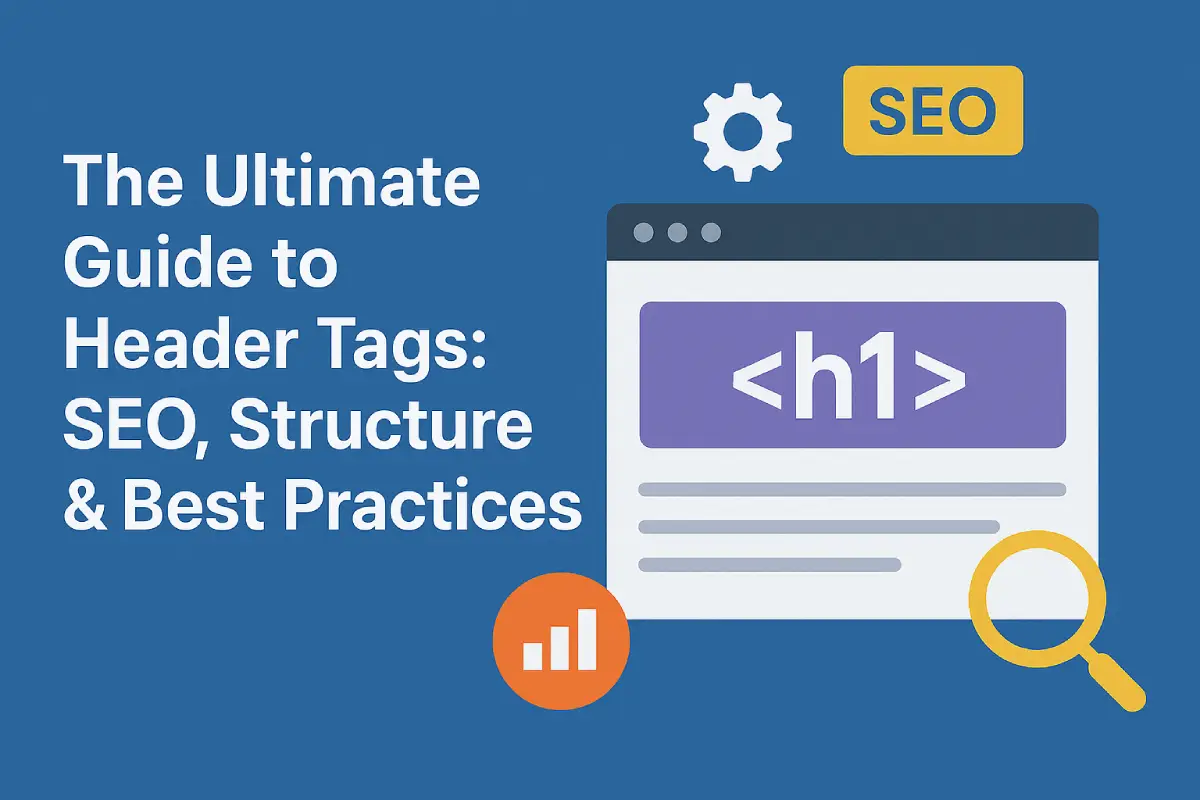
Header tags are HTML markers from <H1> to <H6>. They show headings and subheadings on websites creating a sense of order by indicating which content sections are most important! These tags provide both visual appeal plus meaning aiding readers grasp information flow (so it makes sense) and locate points quickly. When used correctly header tags also help search engines index your pages accurately boosting SEO improving content quality making your site appear more professional indeed.
a) <H1> Tag: The <H1> tag is essentially the most important heading on a page establishing its primary subject. Best practice dictates that each page should have one, and only one, <H1> tag: this makes it clear what the main point is both for visitors including those arriving via Google and indexing bots. A good <H1> needs to be short but descriptive: giving readers an idea (and hopefully making them want to read more) about why they clicked through from elsewhere in just a few words or less!
b) <H2> Tag: <H2> headings break content down into main sections and help lead the reader on a smooth journey through the page. They work like helpful signposts allowing users to quickly see what big topics are covered within your article. Using descriptive <H2> headings ensures that both users and crawlers can navigate content logically and intuitively increasing engagement levels– meaning visitors spend longer perusing its delights!
c) H3–H6 Tags: Headings like H3 through H6 are sometimes used within H2 sections to create smaller subdivisions. This allows for greater detail and helps organize longer or more complicated pieces, it’s not just about making things look neater. Using these headings properly isn’t just about making the text flow better: it also boosts accessibility so that even very lengthy articles remain easy to read by everyone.
3. Heading Tag vs Title Tag
Despite what some newcomers to the field may think, title tags and heading ones have completely separate roles. An <H1> heading tag appears within the main body of a web page’s content; it provides structure for the text while also signaling to readers (and search engine algorithms) what the subject matter is. By contrast title tags don’t show up on-screen when people visit your site: instead they are part of its HTML code behind the scenes. When used correctly each kind of tag does something important better than its counterpart could ever do understanding those differences will make sure all your WordPress pages work well both for human visitors and search engine spiders alike. Both title tags and <H1> headings perform best when kept within 20 to 70 characters, ensuring clarity, readability, and effective SEO
4. Why Header Tags Are Important
a) Improve SEO and Search Engine Understanding
Header tags give search engines a bit of a map to follow, helping them work out what’s most important in your content and how it’s related. If your page uses headings in a clear and logical way then it may do better in the rankings and could also be chosen to appear in rich snippets or featured answers. By using header tags properly you make sure that search engines understand the main points as well as details within your text this means they can index it more accurately leading to better visibility.
b) Enhance Readability for Users
Headings are important because they break up text into chunks that are easier to read and faster to scan. A clear hierarchy makes everything easier to understand: it also helps readers’ eyes flow across the page more naturally whether they’re just dropping by or planning to stay for an age. When people grasp your page’s structure and key points quickly, they’ll engage, share content, visit again, and more!
c) Support Accessibility
Screen readers and other assistive technology super tools really need those heading tags to zip around websites faster. Crafting headings in a sensible order helps folks with vision issues get the info they want without fuss. It’s not just about making things accessible; using a logical hierarchy shows you care about everyone using your site that’s true inclusive web design.
5) How Many Header Tags Should You Use?
At its core, HTML has a total of six different heading levels. Within the majority of WordPress blogs, however, you’ll typically find just <H1>, <H2>, and <H3> being used and this trio offers plenty of flexibility to ensure that content is always well structured (and therefore easy to follow). A good heading hierarchy provides clarity making for a better user experience as well as improving SEO so your site benefits in all sorts of ways!
So, there should be one <H1> tag indicating the primary subject of the page. <H2> headings can then be used to split the text into main sections and if it helps readers understand things better, you can break these down into smaller chunks with <H3> subheadings (which is also something that search engines like).
6. Best Practices for Using Header Tags
a) Keep Headings Descriptive and Concise
It’s beneficial for headings to give readers an idea of the upcoming content as well as its context, right? You’ll want to skip over really vague titles that don’t help much like “Introduction” or “More Info”. They’re not doing anyone any favors. Good descriptive headings make text easier to read (scan) in addition to helping search engines figure out what bits are important! And when you keep those headings short but sweet, they’ll make your site look way more professional– as well as up its SEO game!
b) Use Keywords Naturally
Improving comprehension of web content by search engines can involve putting relevant keywords in headings. But be careful! Stuffing headings with keywords to make them stand out is not a good idea, if you want people to have a good experience it can also backfire on SEO efforts. Rather, focus on ensuring a natural flow where each term fits contextually; this should align closely with what users are genuinely looking for.
c) Avoid Overusing Header Tags
Excess headings potentially clutter your text and disrupt reader flow. They should be employed to impose a logical structure upon content rather than for mere ornamentation.
A balanced approach results in an appealing design that is easy-to-read as well as looking suitably professional!
d) Maintain Hierarchy
Ensure a natural flow by following heading levels in order (H1 > H2 > H3), rather than skipping directly to an unrelated subheading as sometimes seen on some websites. Keeping things consistent and tidy like this isn’t just good for making sure everyone can read your content easily it also helps with search engine optimization so more people find it online. Making sure everything’s in the right place shows visitors you know what you’re doing too, which leads to a much better overall user experience.
e) Using Multiple <H1> Tags
Don’t use multiple <H1> tags on one page! It can confuse search engines making them unsure what the page is actually about, diluting its focus. A single well-crafted <H1> provides clarity for readers and crawlers alike. This correct use helps improve indexing boosting rankings as well as giving your site a more professional appearance!
f) Using Headers for Styling
The header tags? They’re all about structure and flow, not just making things look a certain way. So avoid using them to change font size or styling doing so misuses semantic HTML and can hurt your SEO efforts! Remember: visual formatting should be handled with CSS alone. This keeps headings useful for people as well as search engines
g) Vague or Generic Headings
Generic headings such as “Section 1” or “More Info” do not do a good job of guiding readers. Instead, specific and descriptive headings provide clarity which in turn boosts engagement- they also give search engines a better idea of what your content is about! It’s been shown that well thought out headings keep visitors on websites for longer periods of time; this reduces bounce rates too.
h) Think About Mobile Users
Headings designed specifically for mobile use are brief and easily legible on small screens. If headings are lengthy, they might wrap in an unappealing manner or be cut off– both of which harm the user experience. Creating headings with mobile users as a priority boosts engagement and accessibility for every device.
7. How to Build a Well-Structured Article Using Header Tags
Create an impactful opening with a clear <H1> that introduces your main subject major sections should use <H2> headings, with H3s for subsections. If your content is very detailed or technical, then using lower-level headings such as <H4> – <H6> can help provide clarity without overwhelming readers– just make sure all your headings are descriptive as well as concise. They must also follow a logical order: this will not only give an excellent professional appearance but also make the material more engaging/ enjoyable to read; plus it will improve how things rank when people search for them via WordPress!
A well-structured article can boost readability, improve accessibility, and maximize SEO wow! Logical headings guide users, while also helping search engines understand your content; they’re pretty important for making sure people (and Google) get it. Thoughtful header use helps with this a lot too: an article that looks like it’s been beach-read has way more authority. Planning your headings is thus something every writer should do; chatting with both humans and bots about their favorite number-one tip if asked tomorrow!
8. Conclusion: Why Thoughtful Header Tag Use Matters
Think of header tags as your content’s GPS system. They keep everything in order, making it easy to read and helpful for SEO. When headings follow a logical pattern just one main <H1>, nice descriptive <H2>s and <H3>s, with keywords fitting in naturally things flow well and users (plus search engines) understand what they’re looking at. Get these headers right; you’ll have blog posts that are not only a joy to read but also rank highly on Google because they meet its quality guidelines!