Nowdays, people generally look things up online, from recipes to jobs! If your website isn’t ranking highly in search engines, then it may be missing out on lots of potential visitors and that’s where SEO (search engine optimization) comes into play. Whether you’re thinking of starting a blog opening an internet store or running a large corporate site understanding how SEO works is vital if you want to build credibility online, attract those visitors not only today but for years to come!
This detailed guide covers the basics of SEO in language anyone can follow. We start by explaining what SEO is and how search engines work before moving on to the different types of SEO you should pay attention to. In addition, we compare organic versus paid searches, highlighting why SEO continues to be an effective long-term marketing approach regardless of your level of expertise.
What is SEO (Search Engine Optimization)?
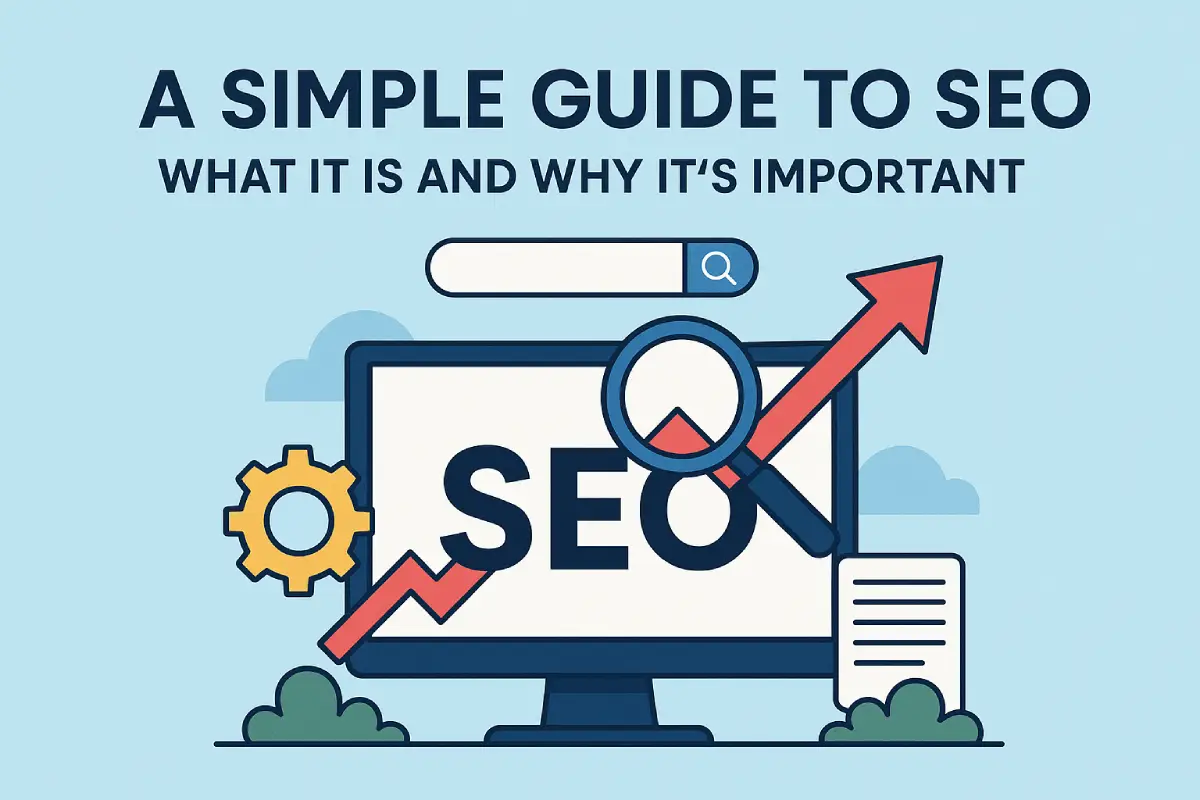
SEO, or Search Engine Optimization, is an ongoing process to ensures your targeted market finds you through Google. This involves tailoring your site both technically and content-wise so that it fits well with the criteria upon which search engines base their rankings, meaning its content is a good match for what users are looking for. The principal aim of SEO is to gain free website visitors commonly called “organic” traffic; this contrasts with sponsored listings in SERPs (Search Engine Results Pages), where advertisers pay whenever somebody clicks on one of their ads. When done correctly, SEO can provide a continuous stream of relevant visitors who are actively seeking what your web pages have to offer but to make this happen, you’ve got to work with Google, not against it!
The Origins of SEO: How It All Began
SEO was born in the early 1990s, not long after Yahoo and other search engines were introduced. As websites proliferated like rabbits, it became essential– if you wanted more visitors– to get a higher position in search results. At first SEO was childishly simple: stuffing pages with keywords or relying on meta tags alone. But then along came Google and things changed. With its complex algorithms appearing at the end of the 1990s, SEO had to evolve. It turned into a much more strategic practice, one that now focuses on quality content, backlinks, and user experience.
How Search Engines Work
1. Crawling
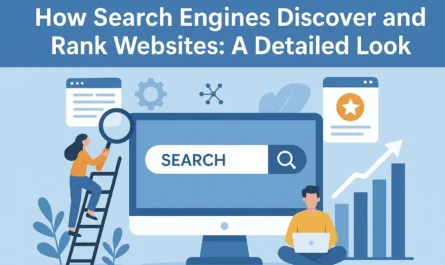
Search engines are always on the lookout, they want to find new web content as quickly as possible. To do this, they use automated programs called crawlers or spiders that can follow links between sites and gather information. If a crawler finds a web page through a link, it will check out the page and decide whether it should be included in the search engine’s index. When these bots visit your site, they also take note of its overall structure as well as any connections within it; plus whether there are problems such as broken links (which lead nowhere). If there are difficulties with navigation or if things don’t work properly then your site might be overlooked altogether by the spiders. If they do spot issues like this then it could affect how highly your site ranks (or if it appears at all) in searches made by people.
2. Indexing
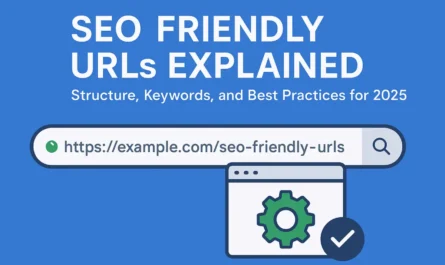
After the search engine bots crawl your website, information from it is stored in a massive database called the index. This is where data on every single page that a search engine might use for rankings goes including keywords, images, metadata, and much more. In order for your pages to be successfully included in this index, they must adhere to certain best practices. Take steps to ensure every page offers something unique, select relevant titles, and generate clear URLs that are logical so search engines can understand your site better. When this happens, more of the pages on your website will be included in the index: a vital outcome if you want them to show up in search engine results!
3. Ranking
Sorting out is the final piece. Whenever someone looks something up, the engine goes through its index looking for pages that fit. Instead of just showing any old results, it uses a really complicated algorithm to rank them taking hundreds of things into account such as how good the content is, whether keywords are used effectively, if the site works well on mobile devices, page speed, and what sort of backlinks there are. The pages that come top are those which best satisfy user intent whilst also providing an experience people can trust. This is where SEO really shines: if you understand the criteria and work with them, you can help your website land those top positions that get the most clicks.
How does SEO work?
SEO works by giving search engines clues about your content and why real people find it useful. It starts with keyword research: finding out what people are typing in. Then you create excellent material that addresses those inquiries. Following this, there are additional strategies such as enhancing metadata, improving page loading speeds to ensure both mobile-friendliness, which altogether serve to boost your website’s overall performance. Search engines like Google use intricate algorithms to assess millions of web pages, determining their rank. When you optimize a website for SEO, it becomes easier for search engines to understand the content as well as recognize that the site performs well. Overall factors they take into account when deciding how high up on a results page things should go. This leads to improved visibility: being seen by more individuals whenever those relevant searches occur.
Types of SEO
1. On-Page SEO
Consider on-page SEO as the art of perfecting all elements within your website to influence search rankings. This involves crafting high-quality content that truly speaks to your audience and using target keywords with care. You’ll also format headings properly plus optimize images and internal links for best results. On-page SEO helps search engines grasp what your content is about and gauge its relevance for people searching on particular topics. But it isn’t just about content. On-page SEO also means making sure that your pages look good and have a logical structure. Ensure each page has unique title tags and meta descriptions. To reinforce this uniqueness further, use URLs that make it clear to visitors what kind of information they’ll find on the page- rather than just aiming at search engines. When your on-page SEO is very good, both people and search engine crawlers will have an easier time working out why they can trust not just single webpages but also the whole site!
2. Off-Page SEO
A site’s search engine rankings and credibility can be improved through off-page SEO but not by changing the site itself. Instead, one must focus on activities that create a good impression of the site elsewhere. The biggest factor of all is probably link-building, getting other good websites to link to yours. These links work like votes telling search engines your site is an authority worth recommending to users.
3. Technical SEO
In the world of websites, Technical SEO is like the secret base that helps search engine spiders find, understand, and remember your site! It involves backend bits and pieces, things that can influence crawling efficiency and indexing accuracy. For example site speed, secure connections using HTTPS, mobile compatibility XML sitemaps plus structured data (schema). If your site has broken links, duplicate content, or loads too slowly it might drop down in rankings as a result! This is why having an uncluttered technically optimized structure is so essential if you want to do well with SEO over a long period of time.
Benefits of SEO
1. Increased Organic Traffic
SEO brings more visitors to your site without paid ads. By making your content search engine friendly, your webpage will be more likely to be shown to users who are presently searching for what you have. This results in a consistent flow of very targeted traffic that is more likely to interact with your content or services. The truly wonderful aspect of organic traffic is its longevity. Unlike paid advertisements which halt once the funds are depleted, SEO can attract visitors for years. You do not have to pay more! Your website will continue to be a popular destination as long as you keep the content relevant and fresh.
2. Builds Trust and Credibility
Most users trust websites they find on page one of search results. Search engines can help build this trust in a number of ways for example, with backlinks, signals from user behavior, site security, and great content. SEO is how you meet those standards. It makes your site seem more authoritative and trustworthy; both to search engines and people using them! Over time good SEO also helps build brand recognition. The more often your site appears when someone searches for things related to your business the more familiar they become with your brand. This familiarity breeds confidence: visitors are likelier to come back (to tell their friends) as well!
3. Improved User Experience
It is not solely search engine friendly; a well-optimized website is also user-friendly. SEO encourages the creation of a website that loads quickly and is simple to use across all devices, factors that contribute towards an enjoyable experience for visitors. This keeps users engaged and lowers bounce rates. In addition, if visitors to your site can find what they are looking for quickly, there is a greater chance that they will stay longer, maybe even fill out a form or buy something! For this reason SEO and user experience go hand in hand: what’s good for users is also good for rankings.
4. Long-Term Value
SEO can bring enduring results. After your content is indexed and ranked, it may keep drawing visitors without continual spending. In contrast to fleeting marketing strategies, such as paid advertisements or social media pushes, SEO delivers a far greater return in the long run. Although SEO does require you to keep things fresh if you want to maintain your position, the main groundwork you lay continues to bring advantages. A blog post or landing page that ranks well can remain on Google’s first page for ages, bringing in leads and sales with very little effort.
5. Measurable Results
SEO is no longer about taking shots in the dark. You have access to tools such as Google Analytics and Google Search Console that provide valuable information on your website visitors: their numbers, sources, search terms used, and actions taken. This data allows you to enhance the performance of your SEO making sure it fits well with your content. By monitoring progress towards SEO goals, you’ll discover high-performing pages requiring minimal edits as well as those with issues. You’ll be able to try out new things see how users respond and come up with plans based on real data that fit into your wider objectives.
Paid Search vs. Organic Search: Key Differences
1. Cost
Paid search is when you pay to show up in search results, usually using things like Google Ads. You pay each time someone clicks your ad, so being seen has a direct cost. Organic search is different; it’s about earning your place through SEO, which means lots of work over time but no charges for clicks. While paid ads give you instant visibility the traffic stops when your budget does! Organic SEO takes initial effort but then provides free ongoing traffic making it more cost-efficient in the long run particularly for small businesses as well as content creators.
2. Placement
When you use a search engine, you will see paid ads first. You’ll often see them labeled with words like “Sponsored” or “Ad” and they’ll pop up right at the top of your page. These spots are basically prime real estate because advertisers have shelled out cash for them. Below the ads, you’ll find organic search results. Search engines rank these based on what they think is best, factors like content quality and relevance to your query. While paid listings appear before organic search results, many users scroll past them when looking for information. This means ranking well in the non-paid listings isn’t just about visibility; it also affects how trustworthy your site seems to users and makes clicks more likely.
3. Speed of Results
One main difference is how fast results appear. Paid search provides an instant flow of visitors as soon as your campaign goes live. This makes it ideal for situations demanding immediate attention such as time-sensitive offers or products fresh to the market. SEO results take longer. Weeks or maybe months may pass before you reach the first page depending on competition levels and keyword difficulty. Nonetheless, organic rankings stick around much longer than any paid campaign once you get there.
4. Trust and Engagement
People often trust organic search results more than ads. When individuals see your website ranking naturally (without paying), they view it as a more credible and relevant source. This can lead to higher engagement and ultimately better conversion rates! That said, paid advertisements do have their place: for building brand awareness or reaching users with a high purchase intent. A combined approach using both paid and organic methods may maximize overall exposure.
5. Sustainability
If you stop funding your paid traffic campaign, it will cease immediately. When the budget runs out, there is no lasting benefit. Nonetheless, organic search offers ongoing visitors provided your content remains pertinent and the website stays fine-tuned. For individuals aiming for superior visibility over long periods plus steady lead generation, SEO could be the more lasting technique– and one that scales better too. Although it may take longer to show results initially, its effects increase exponentially with regular input.
Paid vs. Organic: What They Have in Common
1. Keyword Targeting
In both organic and paid search marketing, it is very important to choose the right keywords. If you’re making a Google Ad or tweaking a blog post for SEO: you need to select terms that people use frequently so they come across your material. This means understanding why individuals input certain words figuring out their actual objectives. Both approaches require a deep understanding of user behavior in order to connect content with those individuals conducting searches.
2. User Intent
It doesn’t matter if someone clicks on a paid ad or an organic search result, the underlying desire is the same. They are looking for relevant information or answers. Both types of campaigns can be successful if there is a good match between what the user wants and what your content provides. It’s also crucial that this connection keeps people interested once they arrive at your site: make sure visitors stick around for a while. This engagement tells search engines they’re delivering relevant results which benefits everyone involved in terms of overall performance.
3. Website Optimization
In the vast digital ocean, where countless websites vie for attention, having a standout site is essential for both paid ads and organic search. You might attract visitors with a leading article or a clever advertisement, but that’s only the beginning. If your website doesn’t look right or load quickly enough once guests arrive– they’ll leave without exploring further. Making sure it has attractive, user-friendly designs (including buttons that make sense) as well as layouts optimised for mobiles and tablets boosts both SEO results and paid campaigns too! Making sure your site runs smoothly guarantees every visitor regardless of how they found you, turns into meaningful engagement.
4. Data-Driven Decisions
Data forms the basis for SEO and paid search. Monitoring performance, experimenting with different tactics, and adjusting strategies according to actual user behavior are made possible by this data. Over time it enables you to improve your approach– achieving better results as you go. Marketers can learn which techniques excel at driving conversions (as well as those that require work) by tracking everything from analytics and heat maps to conversion rates. This shared love for all things data means both SEO and PPC are key components in any savvy marketer’s arsenal- proof that numbers really do tell stories!
Conclusion
SEO stands out as the key factor in ensuring your online visibility for many years and ultimately achieving success. Understanding how search engines crawl, index, and rank content is key and knowing some on-page, off-page, technical SEO strategies too! This way you can attract your ideal audience without always needing paid ads. True, SEO requires patience; it also needs consistent effort. Its ability to create sustainable traffic based on trust makes it one of digital marketing’s most valuable tools.